
Diabetes
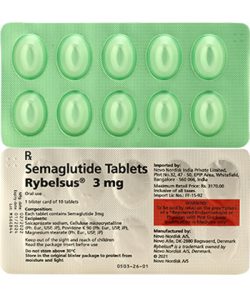
Semaglutide
from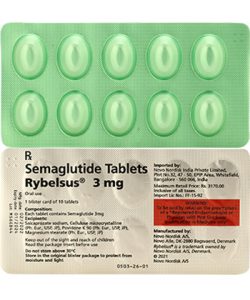
Rybelsus
from
Prandin
from
Minirin
from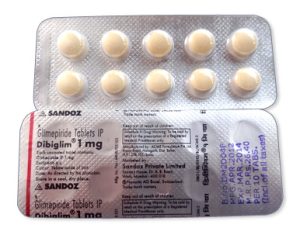
Amaryl
from
Actos
from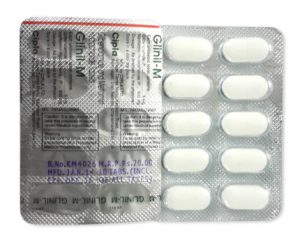
Glucovance
from
Glucobay
from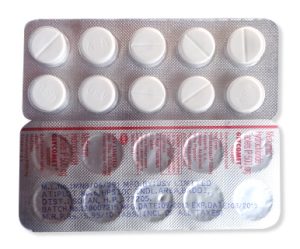
Diaformin
from
Daonil
from
Glucotrol
from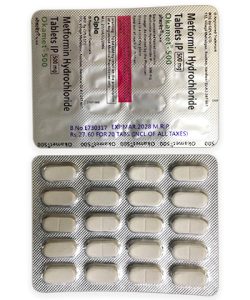
Metformin
from
Metoclopramide
from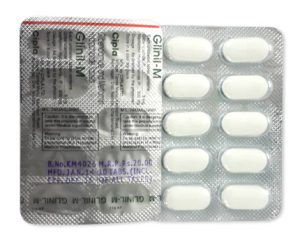
Metformin + Glibenclamide
fromUnderstanding Diabetes: Types and Symptoms
Diabetes is a chronic condition affecting how your body manages blood glucose levels. There are several types of diabetes, each with different causes and management approaches. Type 1 diabetes occurs when the pancreas doesn’t produce enough insulin, whilst Type 2 diabetes develops when the body can’t use insulin effectively. Gestational diabetes occurs during pregnancy and usually resolves after delivery. Understanding which type you have is essential for proper treatment and management.
Common symptoms include increased thirst, frequent urination, fatigue, blurred vision, and slow-healing wounds. If you experience these symptoms, consult your GP for testing. Early diagnosis can prevent serious complications and help you live a healthier life. Regular blood sugar monitoring and lifestyle changes are often the first steps in managing diabetes effectively.
Type 2 Diabetes Management and Medications
Type 2 diabetes is the most common form, affecting millions of Australians. Management typically starts with lifestyle modifications including diet changes, regular exercise, and weight management. If lifestyle changes alone aren’t sufficient, medication becomes necessary.
Our pharmacies stock a range of effective medications to help manage Type 2 diabetes:
- Metformin is usually the first medication prescribed, helping your body use insulin more effectively and is widely available with generally good tolerability
- GLP-1 receptor agonists like semaglutide and dulaglutide help regulate blood sugar and support weight loss
- SGLT2 inhibitors such as empagliflozin and dapagliflozin work by helping your kidneys remove excess glucose through urine
- Sulfonylureas like gliclazide and glipizide stimulate the pancreas to release more insulin
- DPP-4 inhibitors including sitagliptin and vildagliptin are another option for many patients
Your pharmacist can explain how each medication works and help you take them correctly. Regular monitoring and medication adjustments ensure optimal blood sugar control.
Type 1 Diabetes and Insulin Therapy
Type 1 diabetes requires insulin therapy as the pancreas produces little or no insulin. Insulin comes in different forms including rapid-acting, short-acting, intermediate-acting, and long-acting varieties. Rapid-acting insulins like insulin lispro and insulin aspart work quickly and are taken at mealtimes. Long-acting insulins such as insulin glargine and insulin detemir provide background coverage throughout the day.
Many patients use insulin pump therapy, delivering insulin continuously through a small device. Basal-bolus therapy combines long-acting insulin with rapid-acting insulin at meals, offering flexible management. Insulin pens and vials are commonly prescribed in Australia. The type and dose of insulin needed varies greatly between individuals. Your diabetes educator and GP will help determine the best insulin regimen for your needs. Regular blood sugar testing is essential when using insulin to prevent dangerously low levels. Modern insulin formulations have improved safety and effectiveness for better quality of life.
Blood Sugar Monitoring and Testing Equipment
Regular blood glucose monitoring is vital for all diabetes types, helping you understand how food, exercise, and stress affect your levels. Home blood glucose monitors are small devices that measure blood sugar from a tiny blood sample. Testing strips and lancets are essential supplies for daily monitoring.
Several testing options are available to suit different needs and preferences:
- Continuous glucose monitors (CGMs) are increasingly popular, providing real-time glucose readings throughout the day and night
- HbA1c tests measure average blood sugar levels over three months and are performed at pathology clinics
- Fasting blood glucose tests show levels after eight hours without food
- Random blood glucose tests can be done anytime and help detect diabetes
CGMs show glucose trends, helping predict highs and lows before they occur. Australian pharmacies stock a wide range of testing supplies and monitors. Our pharmacists can recommend suitable monitoring equipment based on your diabetes type and lifestyle. Proper technique for blood testing ensures accurate results for better management decisions.
Lifestyle Changes and Preventative Measures
Managing diabetes effectively requires commitment to lifestyle modifications that work alongside medication. A balanced diet rich in vegetables, whole grains, lean proteins, and healthy fats helps stabilise blood sugar levels. Limiting sugary drinks, processed foods, and refined carbohydrates reduces rapid blood glucose spikes. Portion control and regular meal timing support consistent energy and blood sugar levels.
Physical activity of at least 150 minutes weekly improves insulin sensitivity and supports weight management. Walking, swimming, cycling, and strength training are excellent options for most people. Weight loss of just five to ten percent can significantly improve diabetes control. Stress management through meditation, yoga, or counselling helps reduce blood sugar fluctuations triggered by stress hormones. Quality sleep of seven to nine hours nightly supports better blood sugar regulation.
Additional preventative measures include limiting alcohol consumption, which prevents unexpected blood sugar changes and complications, and quitting smoking to reduce cardiovascular risks associated with diabetes. Regular health check-ups with your GP monitor overall wellbeing and detect complications early.
Complications, Support Resources, and When to Seek Help
Uncontrolled diabetes can lead to serious complications, but proper management significantly reduces these risks. Understanding potential complications helps you stay vigilant about your health:
- Diabetic retinopathy can cause vision loss, making regular eye checks essential
- Diabetic nephropathy affects kidney function, requiring monitoring of kidney health
- Peripheral neuropathy causes nerve damage, particularly in feet, increasing infection risk
- Cardiovascular disease is more common in people with diabetes, making heart health important
Regular blood pressure and cholesterol checks help prevent heart problems. Foot care is crucial, as diabetes can reduce sensation and slow healing. Inspect feet daily for cuts, blisters, or infections.
Many Australians benefit from support groups and diabetes education programs offered by Diabetes Australia and local health services. Your GP, endocrinologist, and diabetes educators provide professional guidance and support. Pharmacists play an important role in medication management and can answer questions about your treatment plan. Emergency services are needed if you experience symptoms of dangerously high or low blood sugar. Knowing warning signs of complications helps you seek timely treatment and maintain better long-term health outcomes.