
Skin Care
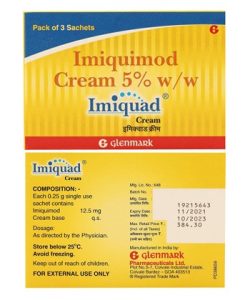
Imiquimod
from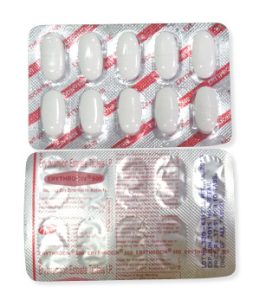
Ees
from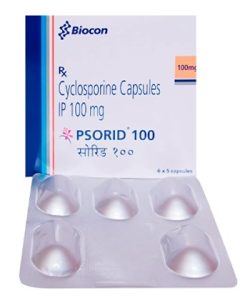
Neoral
from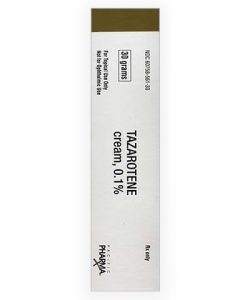
Tazorac
from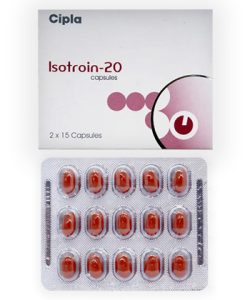
Isotretinoin
from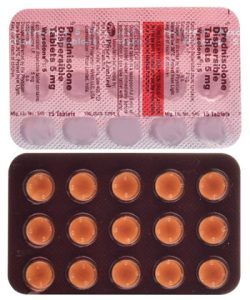
Prednisolone
from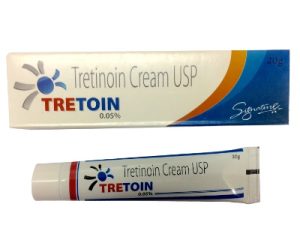
Retrieve
from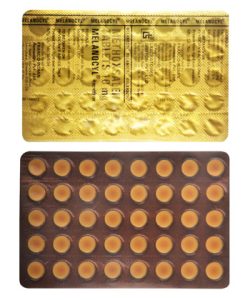
Oxsoralen
from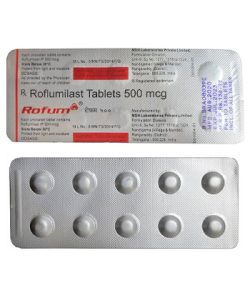
Daliresp
from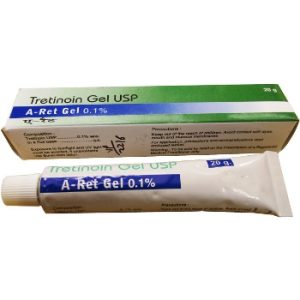
Retin-a Gel
from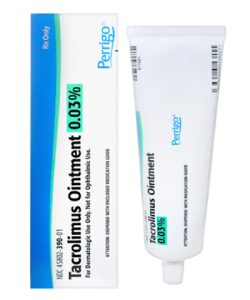
Tacrolimus
from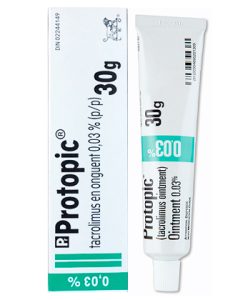
Protopic
from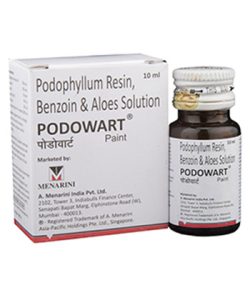
Condyline
from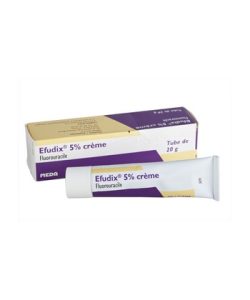
Efudix
from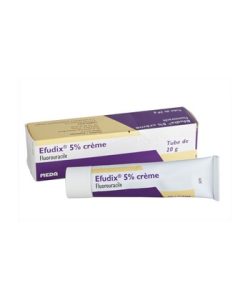
Fluorouracil
from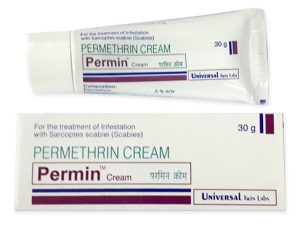
Elimite
fromAcne & Blemish Treatment
Acne is one of the most common skin conditions affecting Australians of all ages. It occurs when hair follicles become clogged with dead skin cells and sebum, leading to pimples, blackheads, and whiteheads. Acne can appear on the face, chest, back, and shoulders, causing both physical discomfort and emotional distress.
What it’s used for
Acne treatments work by reducing oil production, speeding up skin cell turnover, killing bacteria, or reducing inflammation. They help prevent new breakouts from forming and minimise scarring from existing blemishes.
Popular treatments available in Australia
Benzoyl peroxide products are widely available and work by killing acne-causing bacteria. Salicylic acid treatments help exfoliate the skin and unclog pores. Azelaic acid is effective for inflammatory acne and rosacea-related breakouts. Adapalene, a retinoid available over the counter in Australia, helps normalise skin cell turnover. For more severe cases, dermatologists may prescribe antibiotics or isotretinoin. The Ordinary and Paula’s Choice offer affordable options, while Proactiv and Neutrogena are readily available in pharmacies nationwide.
Additional information
Consistency is key when treating acne. Results typically appear after 6–8 weeks of regular use. It’s important to avoid over-treating, as this can irritate the skin and worsen breakouts. Combining treatments should only be done under professional guidance.
Anti-Ageing & Wrinkle Reduction
As we age, our skin naturally loses elasticity and develops fine lines and wrinkles. Sun exposure, smoking, and lifestyle factors accelerate this process. Anti-ageing products aim to reduce the appearance of these signs and promote younger-looking skin.
What it’s used for
Anti-ageing treatments target fine lines, deep wrinkles, loss of firmness, age spots, and uneven skin texture. They work by boosting collagen production, improving hydration, protecting against free radical damage, and promoting cellular renewal.
Popular treatments available in Australia
Retinol and retinoids are considered gold-standard anti-ageing ingredients and are available in various strengths. Vitamin C serums brighten the skin and boost collagen synthesis. Peptide-rich products improve skin firmness and elasticity. Hyaluronic acid provides intense hydration to plump fine lines. Niacinamide strengthens the skin barrier and reduces pore size. Popular brands in Australian pharmacies include RoC, Olay, Estée Lauder, and Clarins. Medical-grade options like SkinCeuticals are available through dermatologists and specialist skin clinics.
Additional information
Prevention is easier than correction, so starting anti-ageing routines in your thirties is beneficial. Sun protection is crucial, as UV damage causes approximately 80% of visible skin ageing. Results improve over time, with most products requiring 12 weeks of consistent use to show significant changes.
Sensitive & Irritated Skin Care
Sensitive skin reacts negatively to certain ingredients, environmental factors, or weather conditions. It often appears red, feels tight, itchy, or burns easily. Many Australians experience sensitive skin due to our harsh sun and dry climate, or may develop sensitivity due to allergies and skin conditions like eczema and rosacea.
What it’s used for
Sensitive skin products aim to calm inflammation, reduce redness, strengthen the skin barrier, and prevent irritation. They avoid harsh chemicals, fragrances, and common irritants that trigger reactions.
Popular treatments available in Australia
Centella asiatica (cica) products soothe and heal irritated skin effectively. Ceramides restore the skin barrier and lock in moisture. Colloidal oatmeal provides gentle relief from itching and irritation. Zinc oxide protects sensitive skin from environmental stressors. Brands like La Roche-Posay Toleriane, Cetaphil, Aveeno, and QV are dermatologist-recommended and widely available. Aesop and Sukin offer natural alternatives. For severe sensitivity, products containing panthenol or allantoin provide additional comfort.
Additional information
Patch testing new products on a small area is essential before full application. Keep routines simple with fewer products to identify potential triggers. Avoid products containing alcohol, essential oils, and fragrance. Consult a dermatologist if sensitivity persists or worsens.
Moisturising & Hydration
Proper hydration is fundamental to healthy skin regardless of skin type. Dehydrated skin appears dull, feels uncomfortable, and is more prone to breakouts and premature ageing. Australia’s climate can severely deplete skin moisture, making hydration especially important.
What it’s used for
Moisturisers restore hydration, improve skin texture, reduce flaking, and enhance the skin’s natural protective barrier. They trap water in the skin and provide nourishment for a plump, healthy appearance.
Popular treatments available in Australia
Humectants like hyaluronic acid and glycerin draw moisture into the skin. Emollients such as plant oils and butters soften and smooth the skin surface. Occlusives like petrolatum seal moisture in. Lightweight moisturisers suit oily skin, while rich creams benefit dry skin. Popular Australian pharmacy brands include Sukin, Mecca, Dermal Therapy, and Ego. International brands like Clinique, Kiehl’s, and Biotherm are also readily available. K18 and MAC Fix+ offer hydrating mists for throughout the day.
Additional information
Moisturiser should be applied to damp skin for better absorption. Even oily skin needs hydration, though lighter formulas work better. Layering different hydrating products, known as “skin flooding,” maximises moisture retention. Change your moisturiser seasonally, as summer and winter have different demands.
Sun Protection & SPF
Sun protection is non-negotiable in Australia, where UV levels are particularly high. Daily sunscreen use prevents skin cancer, premature ageing, and sun damage. Australia has one of the highest rates of skin cancer globally, making sun protection a critical health measure.
What it’s used for
Sunscreens protect against UVA and UVB rays that damage skin cells and cause melanoma, carcinoma, and photoageing. Regular application reduces skin cancer risk by up to 40% and prevents sun spots, wrinkles, and leathery texture.
Popular treatments available in Australia
Physical sunscreens containing zinc oxide and titanium dioxide sit on the skin’s surface. Chemical sunscreens absorb into the skin and convert UV rays to heat. Australian brands like Cancer Council and Blue Lizard are affordable and effective. Neutrogena, Coppertone, and Banana Boat are widely available. Premium options include Invisible Zinc, Mecca Sun, and La Roche-Posay. Daily moisturisers with SPF 30+ simplify routines, though dedicated sunscreens offer superior protection.
Additional information
- Reapply sunscreen every two hours or after swimming, even if marked water-resistant
- Use one teaspoon for the face and one tablespoon for the body
- Apply 15 minutes before sun exposure
- Broad-spectrum SPF 30+ is the Australian standard recommendation
- Combine sunscreen with protective clothing and seeking shade during peak UV hours (10am–3pm)
Cleansing & Exfoliation
Proper cleansing removes makeup, dirt, oil, and environmental pollutants that accumulate on skin throughout the day. Exfoliation removes dead skin cells, promoting cell turnover and revealing smoother, brighter skin. Both steps are foundational to any effective skincare routine.
What it’s used for
Cleansers prevent clogged pores, reduce breakouts, and prepare skin for other treatments. Chemical exfoliants using AHAs and BHAs dissolve dead skin cells gently. Physical exfoliants mechanically remove debris. Together, these steps improve skin texture, brightness, and product absorption.
Popular treatments available in Australia
Gel cleansers suit oily skin, while creamy cleansers benefit dry skin. Micellar water provides gentle makeup removal. Double cleansing with oil followed by water-based cleanser thoroughly purifies skin. Glycolic acid and lactic acid are popular AHAs. Salicylic acid is an effective BHA for oily and acne-prone skin. Brands like CeraVe, Neutrogena, Garnier, and Sukin are pharmacy staples. Premium options include Estée Lauder, Clinique, and Aesop. Gentle physical exfoliants using bamboo or sugar are preferred over harsh scrubs.
Additional information
Cleanse morning and night, adjusting products based on skin needs. Over-exfoliating damages the skin barrier, so limit chemical exfoliants to 2–3 times weekly. Always follow exfoliation with moisturiser and SPF. Avoid hot water, which strips natural oils; lukewarm is ideal.