
Antifungals
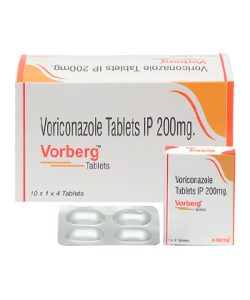
Vfend
from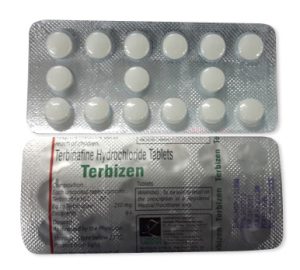
Terbinafine
from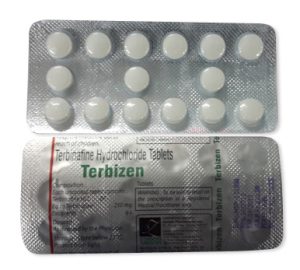
Tamsil
from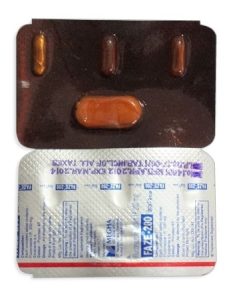
Diflucan
from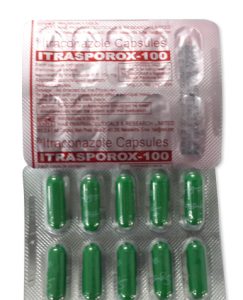
Itraconazole
from
Nizoral
from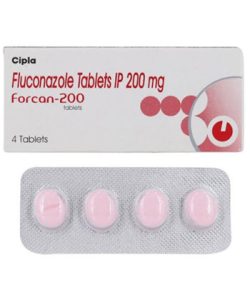
Fluconazole
from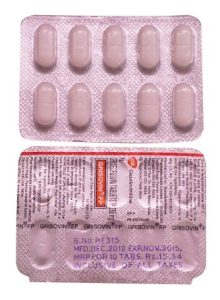
Grifulvin
from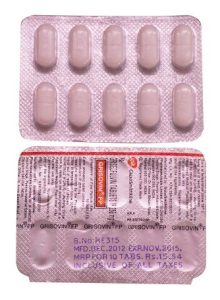
Griseofulvin
from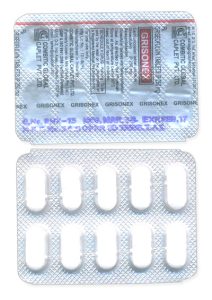
Grifulvin V
from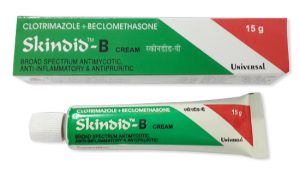
Lotrisone
from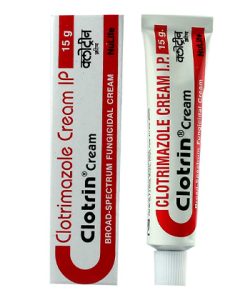
Clotrimazole
fromUnderstanding Fungal Infections and Antifungal Medications
Fungal infections affect millions of Australians each year, ranging from minor skin conditions to more serious systemic infections. These infections occur when fungi invade the body and multiply, causing uncomfortable symptoms and health complications. Antifungal medications are specially designed to stop fungal growth and eliminate these infections from the body.
Antifungals work by disrupting the fungal cell membrane or interfering with fungal cell division, ultimately destroying the fungus or preventing its spread. Different types of antifungals target specific fungi and infection sites. Understanding how these medications work helps patients use them effectively and achieve better treatment outcomes. The choice of antifungal depends on the type of fungus, the location of infection, and individual patient factors.
Common fungal infections in Australia include athlete’s foot, thrush, ringworm, and nail infections. Some people are more susceptible to fungal infections due to warm, humid climates in certain regions. Factors such as weakened immune systems, poor hygiene, or prolonged antibiotic use can increase infection risk. Early treatment with appropriate antifungal medication prevents complications and reduces discomfort.
Topical Antifungal Treatments
Topical antifungals are applied directly to the skin, nails, or mucous membranes affected by fungal infections. These treatments are ideal for surface-level infections and offer localised relief without affecting the entire body. Creams, ointments, gels, sprays, and solutions provide various options depending on the infection type and location.
Popular Topical Antifungals Available in Australia
Several effective topical antifungal options are readily available across Australian pharmacies:
- Clotrimazole cream is widely available and effective against many common fungi causing athlete’s foot and ringworm
- Miconazole nitrate works similarly and is found in many over-the-counter products
- Terbinafine cream is particularly effective for fungal nail infections and athlete’s foot, offering faster results
- Ketoconazole shampoo treats scalp and hair fungal infections, helping with dandruff and other scalp conditions
- Fluconazole cream provides broad-spectrum antifungal action for vaginal thrush
- Tolnaftate solutions offer reliable treatment for various skin fungi in convenient spray formats
- Nystatin suspension works particularly well for oral thrush and candida infections in the mouth
Application and Duration
Most topical treatments require application two to three times daily for two to four weeks, depending on the infection severity. Consistent application ensures effective fungal elimination and prevents recurrence. Patients should clean and dry the affected area thoroughly before applying topical antifungals. Some treatments may cause mild irritation or redness initially, which typically subsides with continued use.
Oral Antifungal Medications
Oral antifungals are taken by mouth and are absorbed into the bloodstream to treat systemic or stubborn infections. These medications are essential for fungal infections affecting nails, scalp, or internal areas that topical treatments cannot reach effectively. Oral antifungals are also used when topical treatments fail or when infections are extensive.
Common Oral Antifungals in the Australian Market
Several oral antifungal medications are commonly prescribed by Australian healthcare providers. Fluconazole is one of the most prescribed oral antifungals in Australia, treating vaginal thrush, oral candidiasis, and other systemic fungal infections, with a single dose often providing effective treatment for uncomplicated thrush. Terbinafine tablets are particularly effective for fungal nail infections, requiring weeks of treatment but offering excellent cure rates. Itraconazole provides broad-spectrum antifungal activity and is used for more serious fungal infections requiring professional medical supervision. Griseofulvin tablets have been used for decades in Australia to treat fungal infections of skin, hair, and nails. Ketoconazole tablets, though less commonly prescribed now, remain available for specific fungal infections and require careful monitoring.
Dosage and Treatment Duration
Oral antifungal treatment duration varies from single-dose treatments to several months of therapy. Fungal nail infections typically require 6 to 12 weeks of continuous oral antifungal therapy. Patients must take these medications exactly as prescribed to ensure complete infection elimination. Regular monitoring ensures the treatment is effective and side effects remain manageable.
Treating Specific Fungal Infections
Different fungal infections require tailored treatment approaches using specific antifungal medications. Understanding which antifungal works best for each infection type helps patients receive optimal care and faster recovery.
Athlete’s Foot and Ringworm
Athlete’s foot, caused by dermatophytes, responds well to topical antifungals like terbinafine or clotrimazole applied daily for 2–4 weeks. Ringworm infections on the body similarly benefit from topical treatments, though scalp ringworm often requires oral medication like griseofulvin or terbinafine. Keeping feet dry and wearing breathable footwear helps prevent recurrence in Australia’s warm climate.
Vaginal and Oral Thrush
Vaginal thrush caused by Candida responds effectively to fluconazole, available as a single oral dose or multi-dose treatment. Clotrimazole pessaries provide topical treatment for vaginal infections. Oral thrush in the mouth is treated with nystatin suspension or fluconazole tablets, depending on severity. These infections are common in Australia and easily treatable when diagnosed early.
Fungal Nail Infections
Nail fungal infections require prolonged treatment with oral terbinafine or itraconazole lasting several months. Topical amorolfine nail lacquer provides additional support but rarely cures nail infections alone. Patience is essential as new healthy nail growth takes time to replace infected nails completely.
Safety, Side Effects, and Precautions
Antifungal medications are generally safe when used as directed, but patients should be aware of potential side effects and important precautions. Most people tolerate antifungals well, experiencing only minor issues if any.
Common Side Effects
Topical antifungals rarely cause systemic side effects but may cause local irritation, redness, or itching at application sites. These reactions usually improve with continued use. Oral antifungals can cause headaches, nausea, or gastrointestinal upset in some patients. Terbinafine may affect taste temporarily. Liver function should be monitored with prolonged oral antifungal use, particularly in patients with existing liver conditions.
Important Precautions
Pregnant women should consult their doctor before using antifungals, as some medications may affect foetal development. Patients taking other medications must inform their pharmacist to check for drug interactions. People with liver disease, kidney problems, or compromised immune systems need special consideration when choosing antifungals. Always complete the full course of treatment even if symptoms improve earlier, as stopping treatment prematurely can lead to infection recurrence.
Prevention and General Care
Preventing fungal infections is more effective than treating established infections. Simple lifestyle changes and good hygiene practices significantly reduce fungal infection risk in Australia’s climate.
Prevention Strategies
Keep skin clean and completely dry, especially in warm, moist areas like between toes and skin folds. Wear breathable cotton clothing and change out of damp clothes quickly. Use public showers and pool facilities with caution, wearing thongs to prevent direct contact with contaminated surfaces. Trim nails short and keep them clean, avoiding nail damage that allows fungal entry.
Maintain strong immune health through proper nutrition, adequate sleep, and regular exercise. Avoid prolonged antibiotic use when possible, as antibiotics kill beneficial bacteria that prevent fungal overgrowth. People with diabetes or other conditions affecting immunity should be particularly vigilant about fungal infection prevention. If fungal infection develops, seek treatment early from a pharmacist or doctor to prevent spreading to others or developing into more serious infections. Regular consultation with healthcare providers helps identify infections promptly and choose the most effective treatment.